
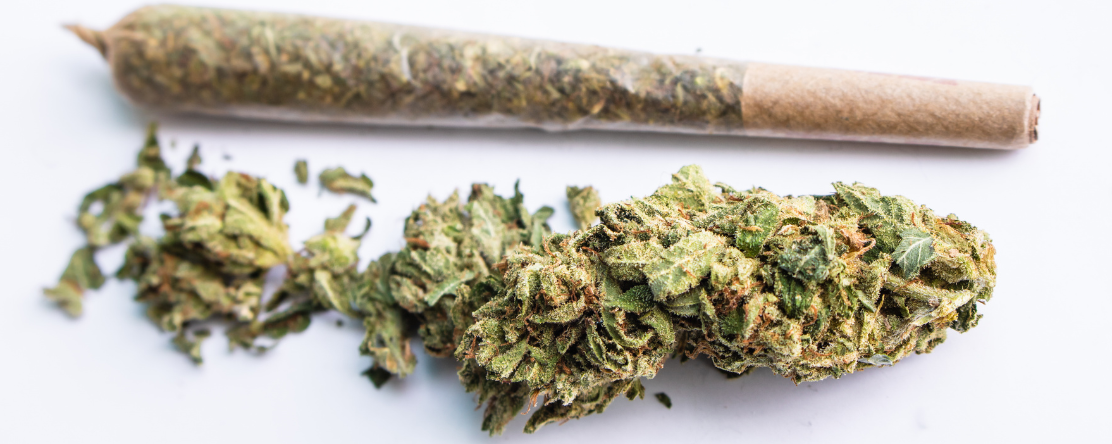
PHI’s Dr. Lynn Silver joined Rhitu Chatterjee of NPR to new research that shows the potential negative health impact of adolescent cannabis use. The longitudinal cohort study conducted in partnership between researchers with PHI, Kaiser Permanente, University of Southern California, and University of California, San Francisco followed over 460,000 adolescents ages 13 to 17 through age 26. The study evaluated annual screenings for substance use and annual mental health diagnosis into early adulthood.
The results indicated adolescents who used cannabis were at a higher risk of being diagnosed with mental health disorders as young adults. This study joins a growing body of research on the health risks of marijuana use, especially as policymakers consider the impact of potency and product advertisement on young people.

The brain is still developing. The effects of cannabis on the receptors in the brain seem to have a significant impact on their neurological development and the risk for these mental health disorders.Lynn Silver, MD
Program Director, PHI’s Prevention Policy Group and study co-author
Read more and listen to Dr. Lynn Silver’s interview on NPR’s Morning Edition.

Adolescents who use cannabis could face a significantly higher risk of developing serious psychiatric disorders by young adulthood, according to a large new study published today in JAMA Health Forum. The longitudinal study followed 463,396 adolescents ages 13 to 17 through age 26 and found that past-year cannabis use during adolescence was associated with a significantly higher risk of incident psychotic (doubled), bipolar (doubled), depressive and anxiety disorders. The study was conducted by researchers from Kaiser Permanente, the Public Health Institute’s Getting it Right from the Start, the University of California, San Francisco and the University of Southern California, and was funded by a grant from NIH’s National Institute on Drug Abuse
Teens Using Weed Have Doubled Risk For Psychosis, Bipolar Disorder—Health Day/U.S. News & World Report
Teen Cannabis Use Doubles Psychosis and Bipolar Risk—Neuroscience News
New study on adolescent use of cannabis finds high risk of psychotic disorders—Modesto Bee
The Brief: Teen marijuana use; Study find increase in psychosis—LAist
Originally published by NPR


You change the world. We do the rest. Explore fiscal sponsorship at PHI.
Together, we can accelerate our response to public health’s most critical issues.
Begin your career at the Public Health Institute.