PHI at APHA 2025
PHI and its programs are returning to share their research, expertise, and new ideas at APHA 2025, which is being held in-person in Washington, D.C. from November 2-5.
Explore more of our program work through extra resources we’ve included below that give you background information on the presenters, research and programs.
We look forward to connecting with you.
APHA Public Health Film Festival
Unidad Ñuu Savi: Solidarity Beyond Borders
Cassie Chandler, MPH, Assistant Director, Global Nutrition and Partnerships, Center for Wellness and Nutrition
Leonel Jaramillo, Center for Wellness and Nutrition
Diana Pena, Center for Wellness and Nutrition
Denise Martinez, MPH, CHES, Center for Wellness and Nutrition
Jamie Frederick, MSW, MPH, Center for Wellness and Nutrition
José Carlos Leon Varga, MA, Puente-SiKanda
Arcenio Lopez, MICOP
Indigenous Mixtec and Zapotec populations in both Oaxaca and California face numerous, but similar, social, economic and health barriers. However, there is often no opportunity for culturally similar but geographically separate organizations and communities to connect and learn from one another to accelerate the cross-pollination of ideas and solutions to achieve positive change both locally and globally.
The film shows how collaboratively planned learning exchanges can foster engagement, catalyze discussion and generate place-based solutions to improve the health and resilience of Mixtec and Zapotec communities in Oaxaca and California.
Tuesday, November 4, 2025
12:30-2pm ET: FF08 - Film Festival Brown Bag Lunch Session II
Location: Washington Convention Center, Room146C
Cassie Chandler, MPH, Assistant Director, Global Nutrition and Partnerships, Center for Wellness and Nutrition
The Brown Bag session offers an opportunity to showcase a selection of short films during the lunch hour in a relaxed, informal setting. Attendees are welcome to bring their lunch and enjoy the screenings.
To view the film, join CWN's Cassie Chandler at this Brown Bag session or watch on APHA's conference platform (requires log in).
Sunday, November 2, 2025
5-6pm ET: Food and Nutrition (2222)
 Poster: Why leadership matters: activating community leadership to respond to food security needs
Karya Lustig, MA, ISS, Director, Center for Health Leadership & Impact
Carmen Nevarez, MD
Shaena Rouse, MPH
Lia Randazzo, MPH
This session will introduce participants to a successful model for catalyzing leadership and strengthening partnerships in local public health initiatives.
2:30-4pm ET: Binge and High Intensity Drinking in Varied Populations: New Findings (2045)
 2:30-2:42pm ET Presentation: Interactive factors of heavy episodic drinking and high intensity drinking affect acute consequences: A closer look using segmentation analyses
Thomas K. Greenfield, PhD, Senior Scientist, Alcohol Research Group
Camillia Lui, PhD
Yu Ye, MA
Yachen Zhu, PhD
Libo Li, PhD
Edwina Williams, MPH
Won Cook, PhD
William Kerr, PhD
A better understanding of factors underlying acute consequences of heavy episodic drinking (HED) and high intensity drinking (HID) is an important public health priority in our nation. Identifying interactive predictors of consequences from heavy drinking episodes can inform preventive and clinical intervention efforts.
2:54-3:06pm ET Presentation: Who’s engaging in high-intensity drinking? Results from the 2020 and 2024 National Alcohol Survey
Camillia Lui, PhD, Scientist, Alcohol Research Group
Thomas Greenfield, PhD Senior Scientist
Won Kim Cook, PhD Scientist
Deidre Patterson, MS, Associate Scientist
Libo Li, PhD Senior Biostatistician
Yachen Zhu, PhD Biostatistician
William Kerr, PhD Senior Scientist
High-intensity drinking (HID) elevates alcohol-related consequences above and beyond non-heavy episodic drinking (HED) and HED behaviors with young adults ages 18-29 are at highest risk, and women ages 30-49 and women with lower education also share a higher HID risk.
 More from Alcohol Research Group: PHI’s Camillia K. Lui, PhD, scientist at PHI’s Alcohol Research Group, shares insights on how high-intensity drinking is on the rise among certain population groups and is more harmful than binge drinking. Learn more.
3:00-4:00pm ET: Epidemiology and Data Poster Session (2126)
Poster: Obstetric hemorrhage deaths in California: trends, causes, contributing factors, and quality improvement opportunities
Christy McCain, MPH, Research Scientist, California Pregnancy-Associated Mortality Review
Dan Sun, MA (presenter)
Deepika Mathur, MD (CDPH)
Obstetric hemorrhage is among the top three causes of pregnancy-related deaths in California. We describe trends, preventability and quality improvement opportunities. Chi-square tests were used to compare distribution differences between hemorrhage deaths and California’s birthing population.
3:00-4:00pm ET: Improving Pregnancy Outcomes (2127)
Poster: Pregnancy-associated overdose mortality in California, 2015-2022
Christy McCain, MPH, Research Scientist, California Pregnancy-Associated Mortality Review
Delphina Alvarez, AA
In California, overdose is the second leading cause of pregnancy-associated mortality but has not been previously described. Using CA-PMSS data, we compared the characteristics of 306 pregnancy-associated overdose deaths with non-pregnant females who died of overdose and California’s birthing population.
Monday, November 3, 2025

8:30-10am ET: Champion Conversations III: Women Leaders Making the Public’s Health a National Priority
Moderator
● Carmen Nevarez, MD, MPH - Senior Advisor, PHI Center for Health Leadership & Impact; Co-founder, Dialogue4Health; Consultant, CRN Health Consulting
Panelists
● Nadine Burke Harris, MD, MPH, FAAP - Founder, ACE Action Network
● Congresswoman Lauren Underwood - Illinois’ 14th Congressional District
● Jodee Winterhof - Senior Vice President, Federal and State Affairs, Human Rights Campaign
Location: Washington DC Convention Center
Room: Ballroom C
Women leaders across the nation are at the forefront of shaping policies and driving change to elevate public health as a national priority. This dynamic session will bring together trailblazing women in politics, heads of influential organizations and other prominent changemakers to share how they have stayed grounded in their leadership philosophies while navigating the complex challenges of advocacy, policymaking and systemic reform. Through powerful storytelling and candid conversation, these leaders will reflect on their personal journeys, the strategies they've employed to push public health to the center of the national agenda and the lessons they've learned along the way. Attendees will leave inspired and equipped with insights into how values-based leadership can transform communities and systems for the better.
8:30-10am ET: Advancing Health Equity Through Place-Based Indices: The Healthy Places Index as a Strategic Tool in Challenging Times (3026)
8:30-8:45am ET Presentation: Disentangling Determinants: Demonstrating the unique impacts of race and place on health with the Healthy Places Index
Neil Maizlish, PhD, Senior Data Advisor, Public Health Alliance of Southern California
Adrienne Damicis, MS
Helen Dowling, MPH, Director Data Initiatives
Tracy Delaney, PhD, Executive Director
To quantify the additive effects of race and place-based social determinants of health on California all-cause mortality, 2015-2019.
8:45-9am ET Presentation: The Power of Positive Framing: How the Healthy Places Index uplifts opportunity, not disadvantage
Coline Bodenreider, MPH, Climate Change and Health Data Lead, Public Health Alliance of Southern California
This presentation will show how positive framing reshaped the Healthy Places Index into a tool that highlights community assets rather than deficits, enabling policymakers and communities to advance health equity.
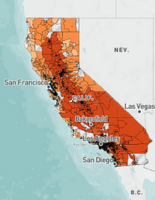 More from Public Health Alliance of Southern California: The Healthy Places Index: Extreme Heat Edition allows community groups, government entities, schools, tribal organizations, community members and other key audiences to identify which areas and populations will be most affected by heat to determine what protections or interventions are most needed to address these challenges. Learn more.
10:30am-12pm ET: Maternal and Child Health Epidemiology (3131)
10:45-11am ET Presentation: Examining pregnancy-associated cancer deaths in California, 2015-2022
Christy McCain, MPH, Research Scientist, California Pregnancy-Associated Mortality Review
Dan Sun, CDPH (presenter)
Christine Morton, Stanford University
Kimberly Gregory (Cedars Sinai)
Tina Rylee (CDPH)
Deepika Mathur (CDPH)
Harman Chauhan (CDPH)
David Reynen (CDPH)
Paula Krakowiak (CDPH)
Despite cancer accounting for 1 in 10 pregnancy-associated (PA) deaths, they are excluded from California’s maternal mortality reviews, limiting the understanding of how cancer and pregnancy intersect. We compared PA cancer deaths to non-pregnancy-associated cancer deaths and will discuss the potential for integrated surveillance.
2:30-4pm ET: Community Health Planning and Policy Development (2355)
3-30-3:45pm ET Presentation: How communities win: 5 best practices for building effective overdose prevention coalitions that save lives
Karya Lustig, MA, ISS, Director, Center for Health Leadership & Impact
Carmen Nevarez, MD
Amy Max, MPH
Veronica Johnson, MPH
This presentation will provide a case study of how one overdose coalition used the Center for Health Leadership and Impact’s model to increase awareness of fentanyl among youth, distribute naloxone and expand access to addiction treatment.
Tuesday, November 4, 2025
8:30-10am ET: What is the role of Health in All Policies(HiAP) support in advancing health and racial equity today?
8:30am ET Presentation: Health in All Policies in Times of Change: Questions for the Next Generation of Health and Racial Equity Work
Julia Caplan, MPP, MPH, Program Director, State of Equity
Lawrence Haynes, MA, Policy Associate II, State of Equity
Anna Ricklin, Health in All Policies Manager, Fairfax County
In this political and funding climate, how can HiAP serve as a vehicle for advancing racial and health equity? In what ways can HiAP sustain and expand the principles we hold in our movements for justice? Where might HiAP evolve in the years ahead? This session will convene leading HiAP practitioners to reflect on these questions from multiple perspectives; retrospective, current practice, and future vision.
2:30-4pm ET: Perspectives and Practices in Abortion Care: Clinical, Policy, and Media Landscapes (4282)
2:54-3:06pm ET Presentation: Medication Abortion Expansion from California’s Emergency Departments: Lessons Learned from Champion Implementation
Elizabeth Keating, Principal Investigator, Project Director, Access Bridge, Bridge
Casey Alrich, Director of Strategic Initiatives, The Bridge Center
This presentation will review the successes and barriers experienced by Access Bridge champions, document trends in clinician-led abortion expansion, and document to the participant best practices in expanding abortion care in traditional healthcare settings where it was not previously available.
 More from Access Bridge:
As of spring 2025, PHI’s Access Bridge has reached 30 states through its fellowship and clinical champion opportunities, building the capacity of emergency departments to serve as reproductive health safety nets, focusing on communities with limited access. Learn more.

2:30-4:00pm ET: Special Session Disability (4260)
This panel discussion explores the role of emerging digital technologies in enhancing provider self-assessments, with a focus on improving service access and quality for individuals with intellectual and developmental disabilities (IDD).
2:30pm ET: Optimizing IDD Healthcare: A Triad of Quality, Person-Centered Design, and Applied Informatics…The Inclusive Self-Audit Tool
Brenda Leath, DPS, MHSA, PMP, Executive Director, Center to Advance Community Health & Equity
3:00pm ET: Bridging Voices and Design: How Perceptions Shape the Self-Assessment Tool
Jerri Davison, BA, JD, Pacific ADA Center
3:15pm ET: Applied informatics in IDD Healthcare
Savannah, Bradley, MPH, CHES, Pacific ADA Center
Wednesday, November 5, 2025
8:30-10am ET: Public-Private Partnerships to Improve Community Health II (5013)
9:30-9:45am ET Presentation: Optimizing Resources: Harnessing Cross-Sector Partnerships to Strengthen Mental Health Awareness
Karya Lustig, MA, ISS, Director, Center for Health Leadership & Impact
Carmen Nevarez, MD
Shaena Rouse, MPH
Lia Randazzo, MPH
This presentation provides a case study on how a team utilized the Leadership Academy for the Public’s Health tools and resources to strengthen cross-sector partnerships within their network to address mental health within the community.
10:30am-12pm ET: Shaping the Future of Public Health: Building trust, addressing health diversity, equity and inclusion, and tailoring culturally healthy communication in AAPI communities (5068)
11-11:15am ET Presentation: Adapting Evidence-Based Practices for Asian American and Asian Immigrant Communities: Insights from Community-Based Organizations and Service Providers in California
Kristen Fu, M.S., Research Associate, Lotus Project, Health Intervention Projects for Underserved Populations
Tooru Nemoto, PhD, Principal Investigator and Research Project Director
Mariko Iwamoto, M.A., Project Coordinator
Keye Xu, PhD, Research Associate
Min Zheng, B.S., Research Associate
Ellen Chang, MSW, MPH, Program Associate
Angela Tang, MSW, LCSW; RAMS
Cruz Chan, M.A., LMFT, RDT; RAMS
Lien Dao, B.S.; San Jose State University
This presentation shares findings from qualitative interviews conducted with community-based organizations and individual service providers in California to understand how they are culturally adapting evidence-based practices for their Asian American and Asian Immigrant communities and clients.
PHI Presenters
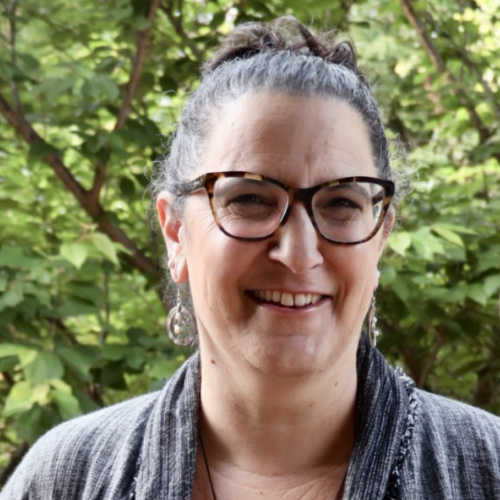
Karya Lustig, MA, ISS, Director, Strategy and Implementation
PHI Center for Health Leadership & ImpactKarya Lustig is Director at PHI Center for Health Leadership & Impact. With 25+ years’ experience, Lustig serves as a visionary thought leader applying strategic design and industry leading approaches to solve population health challenges. Her career has been grounded in the most pressing public health challenges of our time including overdose prevention, homelessness, HIV prevention, and behavioral/mental health, and her work is driven by foundations of social justice and equity.
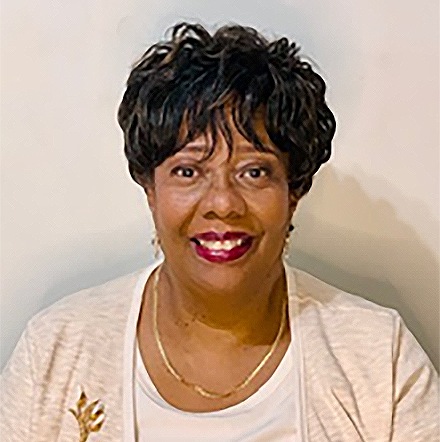
Brenda A. Leath, DPS, MHSA, PMP, Executive Director
Center to Advance Community Health & Equity (CACHE)Brenda A. Leath is a biomedical ethicist and health policy strategist with a career spanning more than 30 years in the healthcare industry. Dr. Leath’s career reflects a continuous and piercing focus on the pursuit of health equity through her work in various settings—academic medical centers, public policy, corporate research, and nonprofit organizations.

Kristen Fu, M.S., Research Associate
Lotus Project, Health Intervention Projects for Underserved PopulationsAs a Research Associate with the Lotus Project under Health Intervention Projects for Underserved Populations at PHI, Kristen contributes to public health research and projects that support the implementation of culturally sensitive and evidence-based interventions and practices for AAAI children and families. She earned a Bachelor of Science in Cognitive Science and a minor in Digital Humanities from UCLA and a Master of Science in Global Health Sciences from UCSF. With a background in global health and a strong commitment to health justice, Kristen is dedicated to supporting and empowering underserved communities to address health disparities and promote health equity.

Elizabeth Keating, MPA, Principal Investigator, Project Director
Access Bridge, BridgeProgram Director and Principal Investigator Elizabeth Keating, MPA, has a decade of experience organizing physicians to embrace practice change. She has led Bridge’s training and technical assistance programs since Bridge’s founding and has influenced practice change at over 300 hospitals across the fields of reproductive health and addiction medicine. Elizabeth has a decade of healthcare experience including roles with Kaiser Permanente, UC Davis Health, and the journal Health Affairs. She is passionate about social equity and believes her work with Bridge aligns her professional skills with her mission-driven values. Elizabeth holds a Master of Public Administration in Health Policy and Management from the NYU Wagner School of Public Service and a Bachelors in Journalism from Northwestern University.
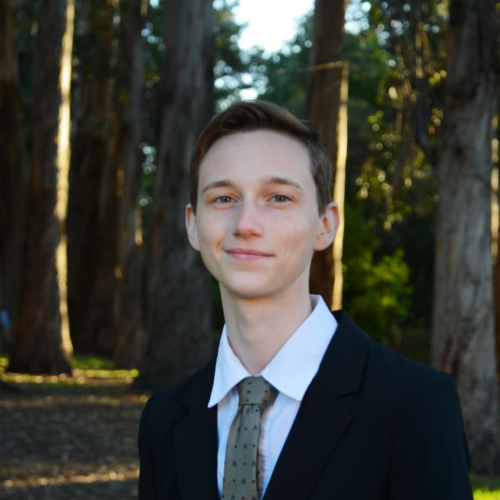
Coline Bodenreider, MPH, Climate Change and Health Data Lead
Public Health Alliance of Southern CaliforniaColine Bodenreider is a Climate Change and Health Data Lead at the Public Health Alliance of Southern California, where they manage projects at the intersection of climate change and health. They work to expand the role of climate data in the Healthy Places Index and support partners in advancing equitable climate adaptation practices.
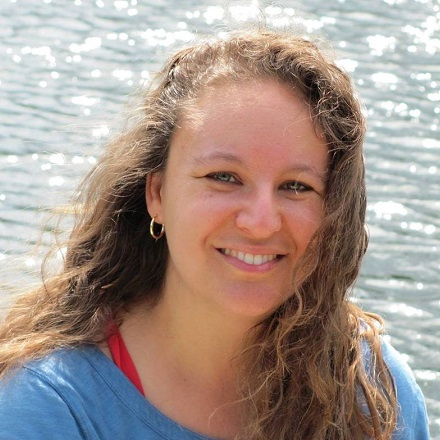
Julia Caplan, MPP, MPH, Program Director
State of EquityJulia Caplan is Program Director of the California Health in All Policies Task Force, which is a collaborative project between the California Strategic Growth Council, the Public Health Institute (PHI), and the California Department of Public Health. In this capacity, Julia facilitates a multi-agency process that brings together over twenty state agencies, departments, and offices to build collaborative partnerships to incorporate health, equity, and environmental sustainability considerations into decision-making and government operations across policy areas as diverse as transportation, land use, education, agriculture, and social services. Most recently, Julia and her team expanded their work and launched the Capitol Collaborative on Race and Equity (CCORE), to support state government agencies in addressing institutional and structural racism. Julia also provides Health in All Policies workshops for local governments and local health departments and co-authored Health in All Policies: A Guide for State and Local Governments in 2013. Earlier in her career, she co-founded a Jewish Voice for Peace and was active in reproductive rights issues. Ms. Caplan has twenty-five years’ experience in social justice and public policy leadership, and holds masters’ degrees in public policy and public health from the University of California, Berkeley. She lives in Oakland with her wife.

Cassie Chandler, MPH, Assistant Director, Global Nutrition and Partnerships
Center for Wellness and NutritionCassie Chandler, MPH, serves as the Assistant Director of Global Health, Nutrition, and Partnerships at the Public Health Institute’s Center for Wellness and Nutrition (PHI CWN). In this capacity, Cassie co-leads the organization’s global efforts, playing a central role in program design and strategy, leveraging her extensive experience to increase household and community resilience, improve nutrition, and facilitate access to health services in collaboration with partners around the world. Cassie also provides leadership and support for several of PHI CWN’s local and national projects.

Neil Maizlish, PhD, MPH, Senior Data Advisor
Public Health Alliance of Southern CaliforniaNeil Maizlish, PhD, MPH is an epidemiologist with over 30 years of experience in quantitative research methods, statistics, and health informatics in local and state government, academia, community clinics, unions, and the private sector. He currently a senior Research Scientist at the Public Health Institute, focusing on the development of healthy community indicators for public health surveillance and healthcare.
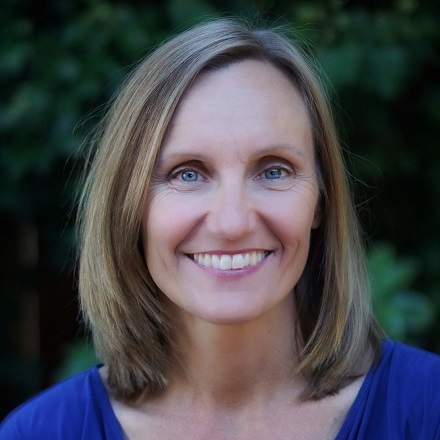
Christy McCain, MPH, Research Scientist
California Pregnancy-Associated Mortality ReviewMs. McCain has directed the data collection and analysis for the California Pregnancy-Associated Mortality Review, an enhanced surveillance project with the California Department of Public Health and the California Maternal Quality Care Collaborative at Stanford, since its inception in 2006. With her team, Ms. McCain has reviewed thousands of medical records and coroner reports and has worked with multiple diverse expert committees to identify contributing factors to the deaths and quality improvement opportunities.
Work With Us
You change the world. We do the rest. Explore fiscal sponsorship at PHI.
Support Us
Together, we can accelerate our response to public health’s most critical issues.
Find Employment
Begin your career at the Public Health Institute.