
Menu

Factsheet: Mobilizing Community Investment for Health Payers

This factsheet from PHI’s Build Healthy Places Network highlights how partnerships between health payers and community developers can drive investment in the vital conditions that shape health and well-being.

father and daughter walking in town withe autumn leaves on the floor

Where a person lives—their ZIP code—often has a greater impact on health outcomes than their genetic code. Social, economic and environmental factors shape whether people have access to stable housing, nutritious food, safe environments and reliable transportation. For health payers, this reality underscores the importance of looking beyond clinical care to the broader vital conditions that influence health and well-being.

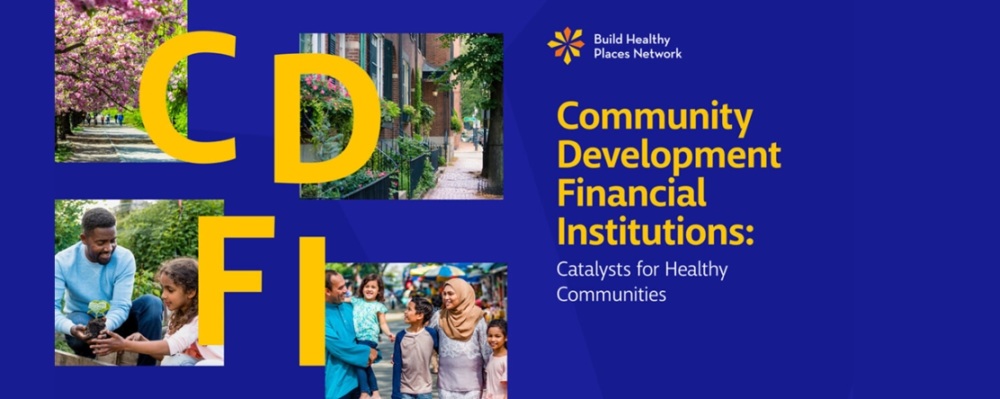
This factsheet, from PHI’s Build Healthy Places Network, Mobilizing Community Investment for Health Payers, highlights how partnerships with community development can create lasting improvements in these vital conditions. By aligning resources and priorities, health payers and community developer actors can reduce preventable healthcare costs, improve health outcomes for residents and build stronger, more resilient communities. These collaborations not only address immediate health and social needs but also generate long-term community infrastructure that benefits families for generations.

view the factsheet

Key Considerations for Partnership

As health payers consider possible partnerships with community development actors, the following questions can help identify opportunities for collaboration:

  • What are the key healthpayer incentives and regulatory requirements at play? As state and federal policymakers increasingly recognize the value of investing in the vital conditions of health, there may be new incentives or opportunities available to facilitate your organization’s investments and partnerships to support community development.
  • Have you evaluated potential partners in addressing the vital conditions of health? A variety of actors could be valuable collaborators, including community development financial institutions (CDFIs), community development corporations (CDCs), local health or economic justice advocacy groups, or other community-based organizations that provide supportive services such as healthy food, employment support or financial coaching.
  • What portion of your community benefit spending or population health budget could create lasting infrastructure that serves your members for decades?
  • Who are the key decision makers who would need to approve community development partnerships? Health plan executive leadership and board members will ultimately make decisions about any significant partnerships and investments. Local regulators, including state insurance commissioners, may also be important to engage in order to clarify how community development investments would be treated for regulatory purposes.

Work With Us

You change the world. We do the rest. Explore fiscal sponsorship at PHI.

Bring Your Work to PHI

Support Us

Together, we can accelerate our response to public health’s most critical issues.

Donate

Find Employment

Begin your career at the Public Health Institute.
See Jobs

Aerial view of wildfire smoke

Close

Tools to Protect Your Community from Wildfires & Extreme Heat

Communities across the U.S. and around the world are grappling with dangerous wildfires and extreme heat. Explore PHI's resources, tools, programs and impacts to help protect your community—with a focus on ways to reach systemically excluded groups with key resources and information, and invest in transformative solutions to promote safety, equity and resiliency.

Explore the resources

Continue to PHI.org