Focus Area
Healthy Communities
|
|
When it comes to health, where you live matters: Neighborhoods can create opportunities for—or barriers to—health.
In fact, zip code is a better predictor of health than genetic code.
PHI works within and alongside communities to build health—with a particular emphasis on reducing health disparities by amplifying local leadership, dismantling structural barriers and addressing the social determinants of health.
We work collaboratively to increase access to safe opportunities for physical activity, improve the built environment, reduce exposure to hazards in the environment and expand the availability of affordable, healthful foods.
Download PHI's Work in Healthy Communities: Examples of Impact
Programs
Advancing the State of the Art in Community Benefit
ACCESS Health Worldwide
ACCESS (Advancing Company Community Engagement for Sustainable Societies) Health Worldwide, an innovative project of PHI, facilitates partnerships among companies, nongovernmental organizations (NGOs), and local governments to build healthy and sustainable communities. ACCESS Health Worldwide focuses on partnerships that increase access to health resources, especially for women, in ways that can be sustained. Since 2008, the project has worked in Indonesia with funding from the Ford Foundation to help companies and NGOs build the trust, knowledge and skills needed for successful partnerships.
Bay Area Regional Health Inequities Initiative
The Bay Area Regional Health Inequities Initiative (BARHII) is a nationally recognized leader in transforming public health practice to advance health equity to create healthier communities. It is a collaborative of public health directors, officers, senior managers and staff from the 11 San Francisco Bay Area health departments and the California Department of Public Health.
At BARHII, lessons learned are shared and strategies and resources developed; committees focus on data, community engagement, built environment, social determinants of health, structural racism and building health departments’ capacity.
Learn about Bay Area Regional Health Inequities Initiative projects
Berkeley Media Studies Group
Berkeley Media Studies Group works with community groups, journalists and public health professionals to use the power of the media to advance healthy public policy. To do this, BMSG conducts research to understand how news, entertainment and advertising portray health and social issues. Through media advocacy training and consultation, BMSG helps advocates harness lessons from that research and develop the skills they need to become stronger voices in policy debate and illuminate the need for improving the places where all people live, learn, work and play.
Build Healthy Places Network
The Build Healthy Places Network catalyzes and supports collaboration across the health and community development sectors, together working to improve low-income communities and the lives of people living in them.
We achieve our mission by: Connecting leaders, practitioners, investors, and policymakers across sectors through in-person and virtual convenings; managing a clearinghouse that gathers, synthesizes and summarizes research, best practices and models that demonstrate what works at the intersection; and providing capacity-building tools and resources that highlight the health-related value of community development work and encouraging measurement of health-related impact.
CA4Health
CA4Health is a 5-year Community Transformation Grant from the CDC focused on reducing the burden of chronic disease in rural communities throughout California. A collaboration between PHI and the California Department of Public Health, CA4Health provides local county partners with tools, training and guidance to make their communities healthier. CA4Health’s 4 strategic directions are reducing consumption of sugary beverages, increasing availability of smoke-free housing, creating safe routes to schools, and providing people with chronic disease with skills and resources to manage their illness.
California Adolescent Health Collaborative
The California Adolescent Health Collaborative (CAHC) is a public-private statewide coalition with the goal of increasing understanding and support for adolescent health and wellness in California. As a coalition of representatives from public and private agencies, CAHC is committed to a comprehensive, assets-based, multidisciplinary approach to improving the health and well-being of California youth.
Learn about California Adolescent Health Collaborative projects
California Center for Research on Women and Families
The California Center for Research on Women and Families (CCRWF), established in November 2000, is the sponsor of the California Working Families Policy Summit and also publishes policy primers to educate policymakers, program providers, and the general public about policy issues affecting women and families in California. CCRWF also directed the CalWORKs/Child Welfare Partnership Project, Linkages.
Learn about California Center for Research on Women and Families projects
California Convergence Coordinating Office
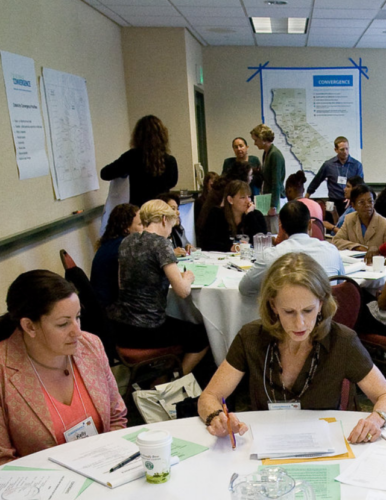
The California Convergence is a regionally organized, statewide network that unites community leaders and partners to collectively build equitable, safe and healthy communities where everyone participates and prospers. Convergence is governed and guided by a statewide, community-led steering committee, with administrative, communication, policy and evaluation-related support from the California Convergence Coordinating Office and statewide partners.
Learn about California Convergence Coordinating Office projects
California Environmental Health Tracking Program
The California Environmental Health Tracking Program emphasizes the development of spatial analysis and visualization methods that enable state-of-the-art systems for predicting geographically related exposures to environmental hazards and relating those exposures to health indicators.
Learn about California Environmental Health Tracking Program projects
California Occupational Health Surveillance and Evaluation Program (OHSEP)
OHSEP, a program of the Occupational Health Branch of the California Department of Public Health, tracks work-related injuries and diseases, studies workplace exposures and health effects, and makes prevention recommendations to employers and employees. OHSEP information is used to improve workplace Injury and Illness Prevention Programs and help identify and treat early work-related injuries and disease. OHSEP focuses on work-related asthma, fatal occupational incidents, pesticide poisoning and carpal tunnel syndrome.
Learn about California Occupational Health Surveillance and Evaluation Program (OHSEP) projects
California Project LEAN
California Project LEAN (Leaders Encouraging Activity and Nutrition) is a program of the Public Health Institute. It works to advance nutrition and physical activity policy in schools and communities to prevent obesity and associated chronic diseases. Efforts center on youth and parent empowerment approaches, policy and environmental change strategies, and community-based solutions that improve nutrition and physical activity environments primarily in low-resource, high-need communities.
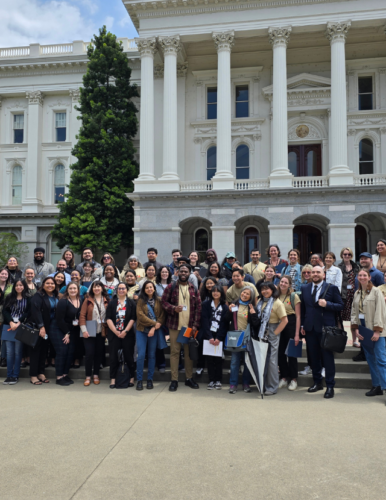
CAN-Act
CAN-Act (the California Association of Nutrition & Activity Programs) supports healthy eating and active living in California by providing leadership, provider and community empowerment, and vigorous advocating in support of effective state and federally funded nutrition education and promotion programs. CAN-Act members are organizations funded by the Network for a Healthy California and others who share our vision that all communities should have easy access to affordable, health-promoting food and physical activity opportunities. CAN-Act programming includes advocacy, training, ongoing technical assistance, planning process facilitation, and convening stakeholders to influence change.
Center for Civic Partnerships
For twenty-five years, the Center for Civic Partnerships (CCP) provided leadership and management support to build healthier communities and more effective nonprofit organizations. CCP provided training, technical assistance, and tools, and was the home of the California Healthy Cities and Communities Network which promoted positive physical, social and economic community environments that supported the well-being of community members.
Center for Climate Change and Health
The Center for Climate Change and Health contributes to building healthy and climate-resilient communities that have the right tools to mitigate and adapt to climate change. The Center engages local leaders, community-based organizations, public health and health care workers, scientists, policymakers and civil society in mainstreaming the protection of health across a wide range of policies and sectors. It promotes strategies that effectively address the impacts of climate change on health, while at the same time generating co-benefits from adaptation and mitigation for health and across other sectors.
Center for Collaborative Planning
The Center for Collaborative Planning (CCP) advances health and social justice through community building and grassroots leadership development. CCP offers training and technical assistance on core community change processes, including collaboration, community engagement, asset-based community development, participatory strategic planning, popular education and group facilitation.
Center for Health Leadership and Practice
Today’s public health challenges are complex and rapidly evolving, and call for an innovative approach to leadership development. The mission of the Center for Health Leadership and Practice (CHLP) is to advance health by increasing leaders' capacity to transcend boundaries, work collaboratively and transform their communities. Through the use of blended learning modalities, CHLP leads programs for teams, coalitions, initiatives and professional networks to advance leadership skills and reduce health inequities.
Learn about Center for Health Leadership and Practice projects
Center for Wellness and Nutrition
The Public Health Institute Center for Wellness and Nutrition recognizes the connections among local community environments, poor diet, physical inactivity, food insecurity and obesity.
The Center for Wellness and Nutrition has a diverse portfolio of nutrition, physical activity, obesity prevention and chronic disease prevention projects that reduce the risk of obesity by empowering communities to eat healthier foods, engage in physical activity and create safer environments that foster healthy choices. We have partnered with the California Department of Public Health for over 15 years to implement its highly-successful, USDA-funded Supplemental Nutrition Assistance Program nutrition education (SNAP-Education).
Our multi-disciplinary PHI team provides specialized expertise in social marketing, cultural competency, communications, tailored materials, partnership development, training, technical assistance, research and evaluation, with a focus on the unique needs of the low-income audience. Our team can oversee full projects from development to implementation, or provide training and consultation to help guide your efforts and build the capacity of your staff.
Center on Disability
The Center on Disability at the Public Health Institute is dedicated to improving the lives of people with disabilities with a focus on disability policy, civil rights, disability law, employment, health issues, independent living, and assistive technology. The Center on Disability is composed of disability-related projects with expertise in research, technical assistance, training and information dissemination.
Central California Regional Obesity Prevention Program
The Central California Regional Obesity Prevention Program (CCROPP) began in 2005 as a model program utilizing a policy and environmental change approach to help community members gain access to healthy food, beverages and safe spaces to be physically active. Central to CCROPP's work, the leadership training program (Healthy Kids, Healthy Communities Leadership Program) worked closely with local residents to help them gain the critical skills and tools to take on leadership roles and help to create healthier communities.vAs a regional initiative, CCROPP brought together public health departments, community based organizations and grassroots community members to work together in addressing the policy, system and environmental factors that contribute to obesity and obesity related illnesses. CCROPP's many local successes include changing local ordinances to allow for the establishment of farmer’s markets and unlocking school gates for physical activity.
CCROPP work now lives on through Cultiva La Salud.
Learn about Central California Regional Obesity Prevention Program projects
Cleaner Cookstoves: Building Global Capacity & Improving Public Health
Exposure to smoke from cooking fires and traditional stoves results in nearly 2 million premature deaths each year, predominantly among women and children. The adoption of cleaner stoves and fuels will not only save lives but also reduce rapid erosion of natural resources. This grant from the U.S. Centers for Disease Control and Prevention focuses on improving clean cookstove design and building demand for this new technology. The program supports field work in Kenya, Guatemala and India, and contributes to the Global Alliance for Clean Cookstoves in Washington, D.C.. The award is administered through PHI's Center for Public Health and Climate Change, which is working to address the health impacts of climate change.
Learn about Cleaner Cookstoves: Building Global Capacity & Improving Public Health projects
Community Food and Justice Coalition
The Community Food and Justice Coalition (CFJC) is a national coalition committed to the basic human right to healthy food while advancing social, agricultural and environmental justice. CFJC collaborates with California communities, organizations and efforts to create a socially just as well as ecologically and economically sustainable food supply. CFJC also works collaboratively at the national level to affect food policy.
Cultiva La Salud
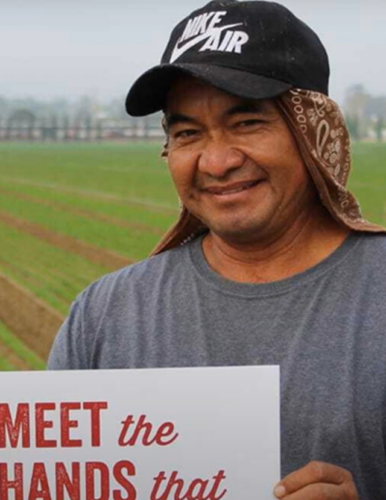
As an initiative of the Racial and Ethnic Approaches to Community Health (REACH), Cultiva La Salud works in Fresno, Kern and Stanislaus counties in six largely Latino neighborhoods and communities including Southeast Fresno, Orange Cove, Southeast Bakersfield, Arvin, Ceres and Turlock.
The goal of Cultiva La Salud, which literally means “cultivate health” in Spanish, is to increase access to environments with healthy food or beverage options and increase access to physical activity opportunities. Through these approaches Cultiva La Salud will seek to increase the daily consumption of fruits, vegetables, healthy beverages and increase physical activity among the targeted Latino population. The project will be working in partnership with the Dolores Huerta Foundation and the Ceres Partnership for Healthy Children.
FACES for the Future Coalition
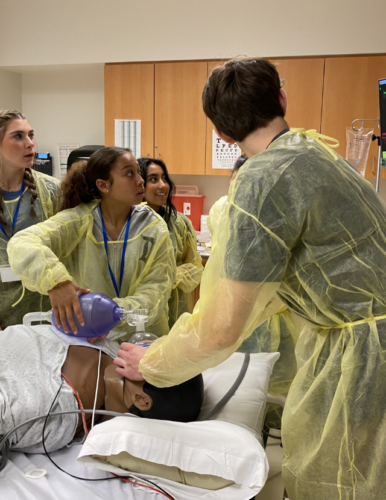
The FACES for the Future Coalition delivers the highly successful FACES program model to communities seeking to prepare high school students for entry into the health professions by developing their own pipeline programs. FACES incorporates best practices in adolescent medicine, innovative pedagogy,and community engagement. Taken together, the model addresses the diverse needs of young people interested in healthcare careers, and prepares students to meet the challenges of impending health workforce shortages and worsening health disparities.
Health in All Policies
The Health in All Policies Task Force is a collaborative project between the Public Health Institute, the California Department of Public Health, and the California Strategic Growth Council. Health in All Policies is a collaborative approach to improving population health by incorporating health considerations into decision-making across sectors and policy areas. HiAP is an innovative response to increasingly siloed government structures, rising healthcare costs, growing inequities, and growing awareness of the impact of the social determinants of health.
Network for a Healthy California, Supplemental Nutrition Education Program Education
PHI partnered with the California Department of Public Health to implement the Network for a Healthy California (Network), the largest and most diverse nutrition and physical activity initiative in the country. Beginning in 1997, PHI was an integral part in creating innovative Network partnerships that empower low-income Californians to increase fruit and vegetable consumption, physical activity and food security with the goal of preventing obesity and other related chronic diseases. This work transitioned in 2015 to PHI's Center for Wellness and Nutrition.
Pacific ADA Center
The Pacific ADA Center works to build a partnership between the disability and business communities and to promote full and unrestricted participation in society for persons with disabilities through education and technical assistance.
Population Health Innovation Lab (PHIL)
PHI’s Population Health Innovation Lab (PHIL) brings new options for innovation to public health. In the same way that Silicon Valley creates lasting change through new perspectives on old challenges, at PHIL we use new approaches, new technologies, and new partnerships to develop solutions for our communities’ most complex problems—and then share and spread what works.
Working directly with communities in need, PHIL moves beyond the symptoms to address the root issues and the systems at the heart of the challenge. We bring together a wide range of communities, innovators, funders, and public health professionals to use new tools and methodologies in new ways.
At the same time, we also harness the assets PHI has amassed over its 50 years at the forefront of public health: nationally ranked researchers, diverse and proven programs, strong infrastructure, and a wide network of partners.
Learn about Population Health Innovation Lab (PHIL) projects
Public Health Alliance of Southern California
The Public Health Alliance of Southern California is a collaboration of leaders from Southern California local health departments, which are statutorily responsible for the health of over half of California’s population. The Alliance addresses regional chronic disease prevention through upstream multi-sector policy and systems and environmental change. Current priority initiatives include multidisciplinary collaborations advancing transportation; food environments; and healthy community data indicators. The regional approach provides a mobilized, collective public health voice to actively promote the health of all Southern Californian communities.
Learn about Public Health Alliance of Southern California projects
Public Health Trust
The Public Health Trust (PHT) works with private attorneys, government agencies and public health organizations interested in using litigation settlement funds to improve public health. PHT manages settlement funds with a focus on transparency and accountability. PHT grantees address a wide range of public health issues from marketing of food, tobacco products, exposure to toxic substances, medication access, and air and water quality.
QI On Tap: Quality Improvement Onsite Technical Assistance Program
QI On-TAP is a program that was created to provide technical assistance in the area public health accreditation readiness including performance management, quality improvement, strategic planning, community health improvement planning, and workforce development.
Learn about QI On Tap: Quality Improvement Onsite Technical Assistance Program projects
Regional Asthma Management and Prevention Program
The Regional Asthma Management and Prevention (RAMP) program is a collaborative that promotes strategies for reducing asthma through a broad and comprehensive approach that includes clinical management and environmental protection. RAMP brings together diverse partners such as public health and community-based organizations, schools, medical providers, and environmental health and justice groups to join forces in reducing the burden of asthma with a focus on communities inequitably affected by the disease.
Learn about Regional Asthma Management and Prevention Program projects
Roots of Change
Roots of Change (ROC) is a think tank-and-do tank working to ensure emergence of a sustainable food system in California. ROC provides road maps to food movement power and policy victories. ROC has a clear change strategy, an extensive statewide network of change agents and a track record of spawning and leading projects that are transformative because they unify actors to push for progress using multiple intervention points simultaneously. ROC is focused primarily on California because it is a bellwether that can positively influence the nation.
Additional PHI Projects
- 2012 County Health Rankings Project
- 2013 County Health Rankings and Roadmaps Project
- Addressing the Needs of Vulnerable Populations through Digital Innovation
- Affordable Care Act Consulting
- Affordable Care Act Implementation Initiative
- Assessing the Impact of a Health in All Policies Approach on Latino Health Disparities in California
- BEST – Berkeley Evaluation of Soda Tax
- Bridging the Gap 2014
- Bridging the Gap: Community Obesity Measures Project
- Building Local Health Department Capacity in Health in All Policies
- California Pregnancy-Associated Mortality Review
- Collaborative Efforts in Health Equity
- Dialogue4Health
- Emerging Latino Public Health Professional Development Project
- Evaluation of the Impact of a Menu-Labeling Program (Smart Menu/La Salud Tiene Sabor)
- Health Impact Assessment of Cap and Trade Regulations
- Healthy Living Fellowship Initiative
- Healthy Schools for Healthy Kids
- Let’s Move Support
- Mobilizing for Action through Planning and Partnerships
- Mobilizing for Action through Planning and Partnerships (MAPP) Phase I and II
- Newborn Sickle Cell Screening Program
- Strategy to Expand Success of the Healthy Community Initiative
- Structural Racism and Public Health
- Sugar Alert: Evaluation of San Francisco's Sugar Sweetened Beverage Advertising Warning Label Law
- Supporting Occupational Road Safety in India
- Sweetgreen in Schools Consultation
- WIN – Wellness Initiatives Now