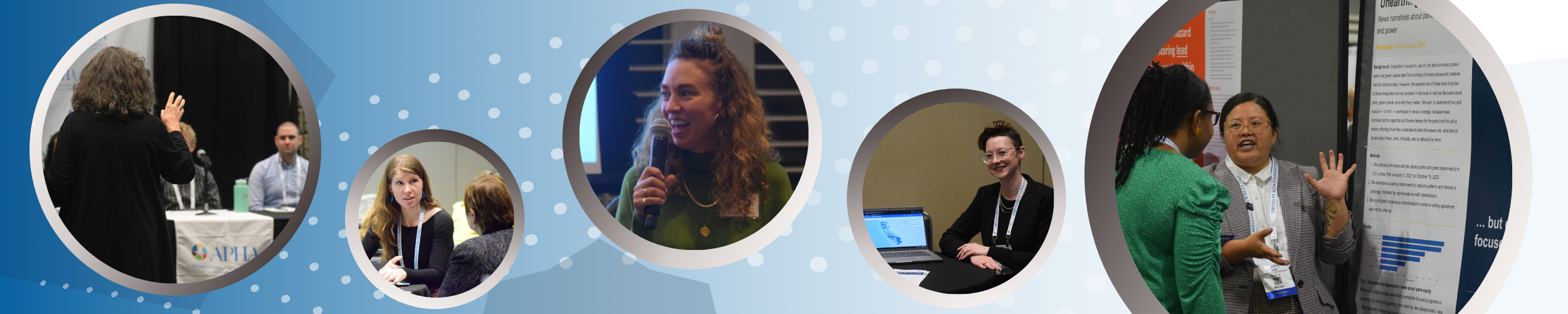
PHI at APHA 2026: Digital Guide
The Public Health Institute and its programs will share their research, expertise and new ideas at the American Public Health Association (APHA) Annual Meeting and Expo, which is being held in-person in San Antonio, Texas from November 1–4.
Explore this digital guide on PHI sessions and poster presentations, as well as resources we’ve included that provide background information on the presenters, research and programs.
We look forward to connecting with you at APHA!

Curious About Fiscal Sponsorship? Meet PHI at APHA 2026 to Learn More
Shifting federal priorities and funding uncertainty are reshaping how public health programs operate. Fiscal sponsorship offers a strategic way to sustain and grow your work—whether you're launching a new program, looking for operational stability, or planning to scale.
If you lead a public health program and are curious to learn how fiscal sponsorship can support your work, we invite you to join PHI for light Tex-Mex fare, coffee and conversation at the 2026 APHA Annual Meeting in San Antonio, Texas. Meet with our experts to learn how fiscal sponsorship works, what it can offer and whether it might be a good fit for your program:
Beyond Infrastructure: How Fiscal Sponsorship Strengthens Public Health Programs
Tuesday, November 3, 2026 | 12:30–2:00pm CT
Henry B. Gonzalez Convention Center — Room 214B
Sunday, November 1, 2026
1–2pm CT: Research in HIV Prevention (23)
 Poster: Randomized Controlled Study Evaluating The Motivational Enhancement Intervention (MEI) To Reduce Substance Use And Sexual Risk Behaviors Among Kathoey (Transwomen) Sex Workers In Bangkok, Thailand
Tooru Nemoto, PhD, Research Program Director, Health Intervention Projects for Underserved Populations
Usaneya Perngparn, PhD, Chulalongkorn University
Chitlada Areesantichai, PhD, Chulalongkorn University
This study aimed to examine the effect of motivational enhancement intervention to promote the health and well-being of kathoey sex workers in Bangkok, Thailand.
1–2pm CT: Protective Factors and Wellness Based Prevention (5)
Poster: Maintaining Momentum: Data and Messaging Strategies to Prevent Overdose
Karya Lustig, MA, ISS, Director, PHI Center for Health Leadership & Impact
Amy Max, MPH, Division Director, PHI Center for Health Leadership & Impact
Veronica Johnson, Project Coordinator, PHI Center for Health Leadership & Impact
Local public health leaders are well-equipped to develop values-based messaging plans for specific audiences in their community to normalize addiction treatment and expand medications for addiction treatment (MAT) supply and demand.
 More from Center for Health Leadership & Impact (CHLI): Advancing Local Change Through a National Model
CHLI’s adaptable and scalable model is helping local leaders address the most pressing public health issues facing their communities, including disaster preparedness and response, overdose prevention and environmental health. Read more →
2:30–4pm CT: APHA Center for Climate, Health & Equity Panel (2009)
 2:30pm CT: Sowing the Seeds—Farmworker Health and Our Future
Moderator: Elizabeth Friedman, MD, MPH, Pediatric Environmental Health Specialty Units, Region 5
This panel explores how economic inequity and exploitation within industrial agriculture directly threaten the health of farmworkers and fenceline communities. Presenters and moderators will have a conversation on the strength of the environmental and farmworker justice movement—which has catalyzed public health research and policy centered in community-led solutions-framework to move away from extractive economy to living economy.
2:30–4pm CT: Health Administration Roundtable A (2034)
2:30pm CT Presentation: Turning Infrastructure into Impact: Storytelling as a Technical Assistance Strategy
Karya Lustig, MA, ISS, Director, PHI Center for Health Leadership & Impact
Carmen Nevarez, MD, MPH, Senior Advisor, PHI Center for Health Leadership & Impact; Sr. Vice President Emeritus, External Relations and Preventive Medicine, Public Health Institute
Shaena Rouse, MPH, Senior Program Manager, PHI Center for Health Leadership & Impact
As the Region 9 hub for the Public Health Infrastructure Grant (PHIG), the PHI Center for Health Leadership & Impact has intentionally prioritized storytelling as a core component of its technical assistance strategy by helping health departments frame challenges, articulate solutions and document measurable impact. Participants will explore how to create stories, the importance of framing and examine case studies from PHIG Region 9 hub, which covers health departments from counties in California, Nevada, and Arizona.
3–4 p.m. CT: Data & Epidemiology Poster Session (22)
Poster: Maternal Characteristics and Neonatal Outcomes of Home Births in California Before, During, and After the COVID-19 Pandemic
Christy McCain, MPH, Research Scientist, California Pregnancy-Associated Mortality Review
Dan Sun, MA, California Department of Public Health
Home births increased during the COVID-19 pandemic. Few population-based studies have compared maternal characteristics and neonatal outcomes between home and hospital births, limiting understanding of trends and implications for maternal and neonatal health equity and safety.

Meet the PEHSU team at the APHA Public Health Expo
The Pediatric Environmental Health Specialty Units (PEHSU) is a national network of experts in reproductive and children’s health issues related to environmental exposures. The PEHSU work collaboratively to improve health systems to make communities safer for children and families. Stop by the PEHSU booth #1961 at the Public Health Expo as part of the APHA Annual Meeting, held at the Henry B. González Convention Center, Exhibit Hall 3-4.
Exhibit Hours:
Sunday, November 1, 12:15–6:00pm CT
Monday, November 2, 9 am–4 pm CT
Tuesday, Nov. 3, 9 am–4 pm CT
PEHSU was created in 1998 by the U.S. Centers for Disease Control and Prevention (CDC) Agency for Toxic Substances and Disease Registry (ATSDR) and has had longstanding support from the U.S. Environmental Protection Agency (EPA). The Public Health Institute serves as the PEHSU National Program Office (NPO).
Monday, November 2, 2026
10:30am–12pm CT: 2026 Special Topic: Large-Scale Health System Transformation (3113)
10:45am CT Presentation: Structural Patterns in CalAIM Implementation Equity: Regional, Managed Care Plan and Service-Level Disparities in Enhanced Care Management and Community Supports Across California, 2022–2025
Seun Aluko, MPH, CIC, Director, Population Health Innovation Lab
Cassandra Mohan, MSPH, Program Manager, Population Health Innovation Lab
This presentation measures where Enhanced Care Management and Community Supports penetration differs across California’s 58 counties over 14 quarters, documenting the size of the disparities by urbanicity, managed care plan type, service type, and prior Whole Person Care infrastructure.
12:30–1:30pm CT: Health Administration Poster Session A (36)
Poster: Connecting Islands, Strengthening Systems: A Regional Approach to Public Health Workforce and Quality Improvement
Karya Lustig, MA, ISS, Director, PHI Center for Health Leadership & Impact
Shaena Rouse, MPH, Senior Program Manager, PHI Center for Health Leadership & Impact
Makamae Namahoe, MPH, Hawaii Public Health Institute
Jessica Yamauchi, MA, EMBA, Hawaii Public Health Institute
Sara Miller, Otowi Group
A regional United States-Affiliated Pacific Islands convening brought together public health leaders and partners from across jurisdictions to exchange strategies, identify shared priorities, and strengthen partnerships for Pacific Island leaders to share experiences and collaborate on practical approaches to strengthen public health systems.
2:30–4:30pm CT: Health Administration Poster Session A (2)
Poster: Beyond the Clinic: Community-Based Practices for Trauma-Informed Mental Health Care of Asian American and Asian Immigrant Communities in California
Kristen Fu, MS, Research Associate, Health Intervention Projects for Underserved Populations
Mariko Iwamoto, MA, Research Program Administrator, Health Intervention Projects for Underserved Populations
Ellen Chang, MSW, MPH, Program Associate, Health Intervention Projects for Underserved Populations
Min Zheng, BS, Research Associate, Health Intervention Projects for Underserved Populations
Keye Xu, PhD, Research Associate, Health Intervention Projects for Underserved Populations
Tooru Nemoto, PhD, Research Project Director, Health Intervention Projects for Underserved Populations
This project explores how community-based organizations and individual service providers in California use and implement community-based practices as culturally responsive approaches for engaging, supporting, and promoting the healing and well-being of Asian American & Asian Immigrant communities.

More from Health Intervention Projects for Underserved Populations: Adopting Evidence- and Community-Based Practices for AAAI Mental Health
This resource guide provides practical recommendations for supporting healing, well-being and equitable mental health care for AAAI communities. Read more →
Tuesday, November 3, 2026
10:30–11:30am CT: Health Administration Poster Session F (18)
Poster: Cultivating Local Talent for Lasting Impact: Public Health Workforce Development Programs
Karya Lustig, MA, ISS, Director, PHI Center for Health Leadership & Impact
Amy Max, MPH, Division Director, PHI Center for Health Leadership & Impact
Karlene Kuhn, MS, AmeriCorps VISTA Hub Manager, PHI Center for Health Leadership & Impact
Tamnnet Kidanu, MPH, CHES®, Project Manager, formerly with PHI Center for Health Leadership & Impact
This presentation will highlight two innovative programs that are building pathways for younger generations to public health careers, helping attendees to identify key features of a successful workforce pathway program and identify resources for developing new workforce development initiatives.
10:30am–12pm CT: Fostering Health Equity through Health Administration (4093)
10:30am CT Presentation: Where the Levers Are: Managed Care Plan, Regional, and Service-Level Drivers of Implementation Disparities in California’s CalAIM Medicaid Transformation
Seun Aluko, MPH, CIC, Director, Population Health Innovation Lab
This presentation identifies three levers that managed care plan (MCP) administrators and state policymakers can act on to close CalAIM implementation disparities (MCP governance, rural access and Community Supports service type concentration) and recommends adding penetration accountability to network adequacy standards.
12:30–1:30pm CT: Asian & Pacific Islander Caucus for Public Health
Poster: Breaking the monolith: disaggregated data reveal hidden asthma disparities among Asian American and Native Hawaiian/Pacific Islander Californians
Scarlet Sands-Bliss, MS, Research Associate, Tracking California
Jaqueline Valle, MPH, Tracking California
Leonie Avendano, MPH, California Department of Public Health
Ashley Kissinger, DrPH, MPH, AE-C, California Department of Public Health
Using five years of disaggregated statewide emergency department data and Bayesian spatial modeling, this study reveals that aggregated Asian American and Native Hawaiian/Pacific Islander (NHPI) reporting masks a substantially higher asthma burden among NHPI Californians.

More from Tracking California: We Can’t Protect Californians from Heat If We Aren’t Counting Who’s Most Affected
At the intersection of public health intervention and impact, is having the data to act. In this opinion piece, Dr. Shubhayu Saha, director of PHI’s Tracking California, makes the case for how better data makes for stronger, more impactful intervention. Read more →
12:30–2pm CT: Social Networking
12:30–2pm CT: Beyond Infrastructure: How Fiscal Sponsorship Strengthens Public Health Programs
Melissa Stafford Jones, President & CEO, Public Health Institute
Susan Watson, MPH, Senior Vice President of Programs & Community Engagement, Public Health Institute
Carmela Lomonaco, Associate Vice President of Research Program Administration, Public Health Institute
If you lead a public health program and are curious to learn how fiscal sponsorship can support your work, stop by for light Tex-Mex fare, coffee and conversation with PHI leadership. Bring your questions: our experts will walk you through how fiscal sponsorship works and help you gauge whether it fits your program’s goals. Find more information and register.
2:30–4pm CT: Epidemiology Section: Spatial Epidemiology: Social Focus (4145)
3pm CT Presentation: Shared Power and Shared Outcomes: Tools for Community-First Solutions
Karya Lustig, MA, ISS, Director, PHI Center for Health Leadership & Impact
Carmen Nevarez, MD, MPH, Senior Advisor, PHI Center for Health Leadership & Impact; Sr. Vice President Emeritus, External Relations and Preventive Medicine, Public Health Institute
Amy Max, MPH, Division Director, PHI Center for Health Leadership & Impact
Shaena Rouse, MPH, Senior Program Manager, PHI Center for Health Leadership & Impact
By fostering collaboration across sectors, coalitions strengthen efforts to address the social determinants of health, promote equitable outcomes and ultimately enhance the capacity of communities to drive sustainable, positive change in health policy and practice.
3:30pm CT Presentation: Mapping the Gaps: A Network-Based Census Tract Framework for Identifying Maternity Care Deserts and Perinatal Access Inequities in California
Christy McCain, MPH, Research Scientist, California Pregnancy-Associated Mortality Review
Kristie Nguyen, MPH, RN, California Department of Public Health
Dan Sun, MA, California Department of Public Health
Paula Krakowiak, PhD, California Department of Public Health
Maternity care deserts are commonly defined at county-levels. Census tracts provide finer geographic units aligned within neighborhood-level social determinants to better identify geographic inequities in perinatal access. We applied census-tract-level spatial methodology using network-based travel time and population demand metrics.
4:30–6pm CT: Epidemiology Section: Clinical Epidemiology (4212)
5:30 pm CT Presentation: ECMO Utilization Among Pregnancy-Associated and Non-Pregnancy-Associated Critical Illness Hospitalizations in California, 2017-2024
Christy McCain, MPH, Research Scientist, California Pregnancy-Associated Mortality Review
Dan Sun, MA, California Department of Public Health
Kimberly Gregory, MD, MPH, Cedars Sinai Medical Center
Sara Ghandehari, MD, Cedars Sinai Medical Center
Courtney Martin, DO, Hoag Hospital
Tina Rylee, PhD, California Department of Public Health
Deepika Mathur, MD, California Department of Public Health
Harman Chauhan, PhD, California Department of Public Health
Paula Krakowiak, PhD, California Department of Public Health
Extracorporeal Membrane Oxygenation (ECMO) is a resource-intensive life support for severe cardiac or respiratory failure. Using California patient discharge data (2017-2024), we identified critical illness hospitalizations among reproductive-age women (15-49 years), defined by invasive mechanical ventilation or ECMO. Pregnancy/postpartum status and comorbidities were identified using ICD-10 codes. Demographic, clinical and hospital characteristics were compared using chi-square tests, as well as trends pre- and post-pandemic.
Wednesday, November 4, 2026
10:30am–12pm CT: Community-Centered Health Communication for Reaching and Engaging Rural, Border and Harder-to-Reach Communities
10:30am–12pm CT: From Partnership to Practice: Strengthening Rural Public Health Communications (5112)
Cassandra Mohan, MSPH, Program Manager, Population Health Innovation Lab
Sue Grinnell, MPH, Senior Advisor, Population Health Innovation Lab
Stephanie Bultema, PhD, Principal Investigator, Public Health Institute
April Phan, Research Associate, formerly with Population Health Innovation Lab
Esmeralda Salas, Research Associate, formerly with Population Health Innovation Lab
The Population Health Innovation Lab developed Effectively Partnering with Rural Communities for Public Health Communications, an asynchronous virtual course that equips public health professionals with tools and resources to build collaborative partnerships and strengthen rural-focused public health communication capacity.
Meet These PHI Presenters at APHA
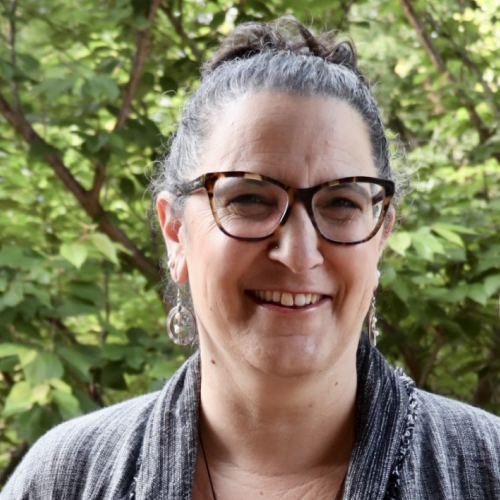
Karya Lustig, MA, ISS, Director
PHI Center for Health Leadership & ImpactKarya Lustig is Director at PHI Center for Health Leadership & Impact. With 25+ years’ experience, Lustig serves as a visionary thought leader applying strategic design and industry leading approaches to solve population health challenges. Her career has been grounded in the most pressing public health challenges of our time including overdose prevention, homelessness, HIV prevention, and behavioral/mental health, and her work is driven by foundations of social justice and equity.
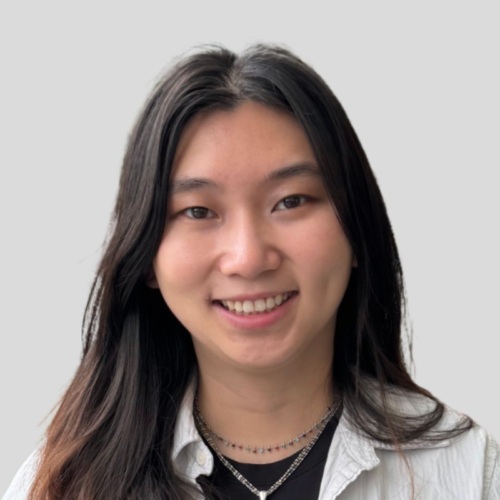
Kristen Fu, MS, Research Associate
Lotus Project, Health Intervention Projects for Underserved PopulationsAs a Research Associate with Health Intervention Projects for Underserved Populations at the Public Health Institute, Kristen contributes to public health research and projects that support the implementation of culturally sensitive, evidence-based interventions and practices for AAPI children and families. She earned a Bachelor of Science in Cognitive Science and a minor in Digital Humanities from UCLA and a Master of Science in Global Health Sciences from UCSF. With a background in global health and a strong commitment to health justice, Kristen is dedicated to supporting and empowering underserved communities to address health disparities and promote health equity.
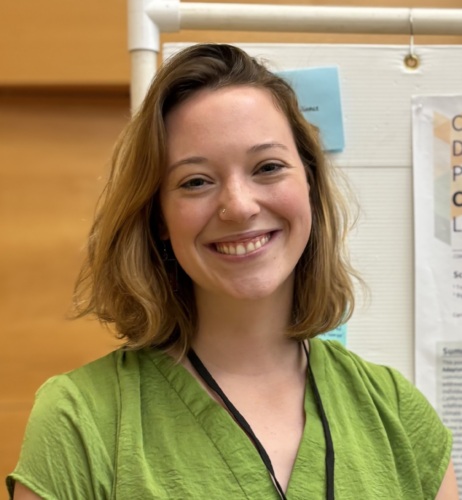
Scarlet Sands-Bliss, MS, Research Associate
Tracking CaliforniaScarlet Sands-Bliss is a Research Associate at Tracking California, a program of the Public Health Institute, and a concurrent PhD student in Epidemiology at UC Berkeley School of Public Health. Her research examines extreme weather-related health disparities, particularly heat and cardiorespiratory health, among structurally underserved populations, including rural and Tribal communities. At Tracking California, she contributes to a broad portfolio of environmental health surveillance projects, including the disaggregated Asian American and Native Hawaiian/Pacific Islander asthma analysis she is presenting at APHA 2026.
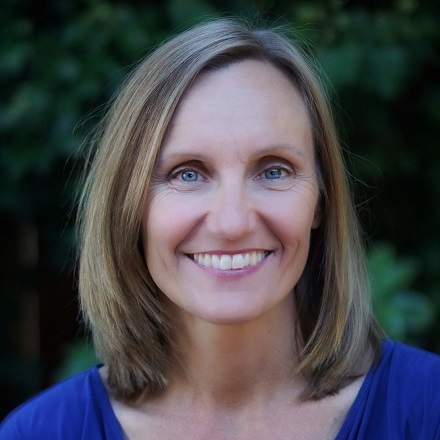
Christy McCain, MPH, Research Scientist
California Pregnancy-Associated Mortality ReviewMs. McCain has directed the data collection and analysis for the California Pregnancy-Associated Mortality Review, an enhanced surveillance project with the California Department of Public Health and the California Maternal Quality Care Collaborative at Stanford, since its inception in 2006. With her team, Ms. McCain has reviewed thousands of medical records and coroner reports and has worked with multiple diverse expert committees to identify contributing factors to the deaths and quality improvement opportunities.
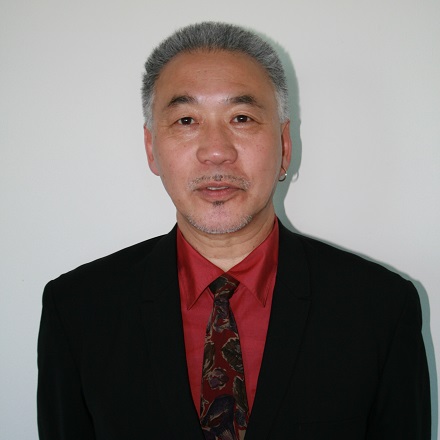
Tooru Nemoto, PhD, Research Program Director
Health Intervention Projects for Underserved PopulationsDr. Tooru Nemoto is Research Program Director at the Public Health Institute (PHI). Before joining PHI, Dr. Nemoto was Associate Professor, Department of Medicine, University of California San Francisco (UCSF). He has been mainly engaging in substance abuse and HIV prevention studies and service projects for under-served and stigmatized populations, such as transgender and gender non-binary people, men who have sex with men (MSM) and sex workers in the U.S. and Asian countries, such as Thailand, Vietnam, Cambodia and Malaysia. He has been awarded a number of grants and service contracts from NIH, SAMHSA, CDC, HRSA and private foundations.
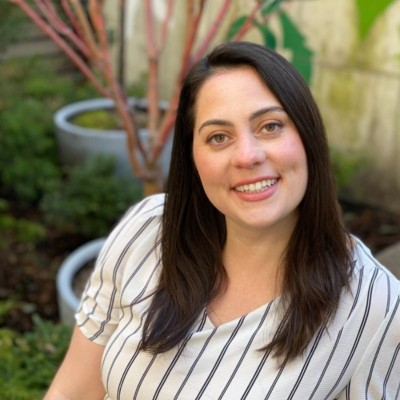
Cassandra Mohan, MSPH, Program Manager
Population Health Innovation LabCassandra joined the Population Health Innovation Lab (PHIL) in 2024 and supports the management of collaborative programs and initiatives. Cassandra earned her bachelors degree in biology from the University of Chicago and graduated with an MSPH in epidemiology from Emory University. Before joining PHIL, Cassandra worked in infectious disease epidemiology at New York City Department of Health and Mental Hygiene, New York State Department of Health, and CDC. Cassandra also brings her experience as a former science educator, and she has a passion for creating and leading impactful learning activities for public health partners.
Work With Us
You change the world. We do the rest. Explore fiscal sponsorship at PHI.
Support Us
Together, we can accelerate our response to public health’s most critical issues.
Find Employment
Begin your career at the Public Health Institute.